

I used to think spotting a fake phone was way too hard unless you had some expert around. But after a few bad experiences, I realized it’s more about noticing the little slip‑ups sellers hope you’ll miss. One time the box looked fine, but the logo had a blur that didn’t sit right. That small catch saved me from wasting money, and since then I’ve been more alert whenever I check a new phone.
Clue 1: The Box Tells a Story
I never grab the phone first—I end up staring at the box. That’s usually where the first hints show up. A proper package feels steady when you hold it, the print doesn’t look faded, and the barcodes sit in the right place.
Counterfeits often slip here. I once picked up a box that looked fine until I noticed the logo leaning slightly to one side. Another time the cardboard was so flimsy it bent as soon as I pressed it. And yes, spelling mistakes happen—I’ve seen “Samsang” printed on the side and couldn’t stop laughing.
It sounds silly, but the box really does give away the truth. If it feels cheap or looks off, chances are the phone inside isn’t what the seller claims.
Clue 2: The IMEI Test
One of the quickest checks I do is dialing *#06#. The number that pops up should match the one printed on the box and also in the phone’s settings. When it lines up, you’re safe. When it doesn’t, that’s a warning sign.
I’ve walked away from deals the moment I saw a mismatch. Once a seller even tried to convince me that “numbers don’t matter.” That line was enough for me — I didn’t need to hear more.
Another time, the IMEI was scratched off the box. That’s not normal. If the seller hesitates when you ask to check, it’s safer to leave.
Clue 3: The Feel in Your Hand

Phones aren’t just about looks — they’re about feel. Genuine devices have balanced weight, smooth buttons, and tight finishing. Counterfeits often feel too light or awkward.
I once pressed a button on a fake, and it sank into the frame like it was made of butter. Another time, the back cover creaked when I held it. Originals don’t behave like that.
Even the screen glass can give it away. Originals feel smooth, while fakes sometimes feel plasticky.
Clue 4: Software Behavior
Go to “About Phone.” Genuine devices show correct specs, storage, and OS version. Fakes misreport details or lag badly. I tested one that claimed “128 GB storage.” In reality, it had 16 GB and froze during updates. Another fake crashed mid‑setup, leaving me with a useless brick. Software doesn’t lie — if updates fail or specs look suspicious, walk away. Sometimes fake phones even mimic icons of popular brands, but when you open them, the apps look off. That’s another giveaway.
Clue 5: The Price Trap
Whenever I see a phone deal that looks way too cheap, I get suspicious. Genuine models don’t suddenly drop to half price without a reason. Counterfeits, on the other hand, rely on tempting discounts to hook buyers.
I once came across a “brand‑new” phone being sold at almost 70% off.
Originals have consistent pricing across retailers. That’s how counterfeit sellers hook buyers.
I’ve also noticed sellers pushing “special offers” late at night or in crowded markets. They rely on impulse buying.
Clue 6: Accessories & Warranty
Certified chargers, manuals, and warranty cards come with originals. Fakes throw in cheap accessories and skip warranty altogether.
I bought a roadside charger once, and the phone heated up like a stove. That scare was enough. Since then, I check accessories carefully. Whenever the charger feels cheap in the hand or the warranty card isn’t there, I stop trusting the deal right away.
Even the bundled earphones can expose a fake—the sound often feels hollow compared to the real ones.
Clue 7: Performance Under Stress
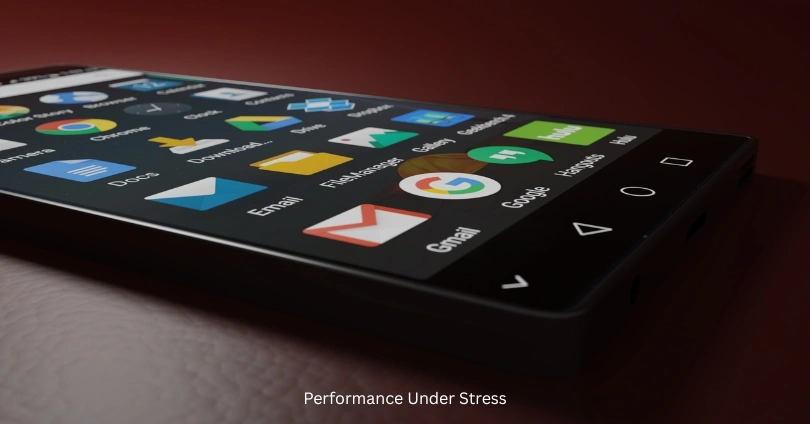
Original phones handle multitasking smoothly. Fakes struggle. Try opening multiple apps or streaming for a while. If the phone heats up too quickly or slows down, it’s likely fake.
I tested one by running a simple game. Within minutes, the phone lagged so badly I couldn’t even exit. Originals don’t collapse under basic use.
Clue 8: Seller Reputation
Where you buy matters. Phones from official shops almost never turn out fake. Buying from street stalls or sketchy online ads is where the risk shows up.
I once saw a seller offering “sealed box” phones from a backpack. That alone was enough to walk away. If the source feels unreliable, the product probably is too.
Clue 9: Check the Screen Quality
One trick I learned the hard way is to pay attention to the display. Genuine phones usually have bright, sharp screens with smooth touch response. Fakes often cut corners here.
I once tapped on a fake phone, and the screen lagged like it was stuck in slow motion. I once checked a phone where the colors looked faded, almost grey, even though the seller kept insisting it was “full HD.” If the screen looks flat or the touch keeps lagging instead of reacting right away, that’s often the easiest clue the phone isn’t real.
Clue 10: Listen to the Sound

Sound can also expose a fake. Real phones have clear speakers, even at higher volume. Most fake phones slip up in the sound — the speakers often come out weak or messy.
I played a song on one and the speaker buzzed so bad it felt like a tin can rattling. Another time the earphones were hollow, almost no bass at all. It’s a small detail, but audio quality is hard to fake.
Related: Things That Can Damage Your Smartphone Battery
Reflection: Why These Checks Matter
I know some people think checking boxes, IMEIs, or sound quality is overkill. But once you’ve wasted money on a counterfeit, you realize how important these small steps are. A fake phone doesn’t just break faster — it can also be unsafe. Hot batteries, shaky chargers, and weak builds don’t just waste cash—they can turn into bigger headaches.
That’s the reason I take my time before buying instead of rushing into a deal. I don’t let excitement or discounts cloud my judgment. Spending a few extra minutes checking details saves me from months of frustration.